Party #2
The Playlist: Juneteenth Jams
Location: Cherokee Bluffs Park, Flowery Branch, GA
Instagram Posts
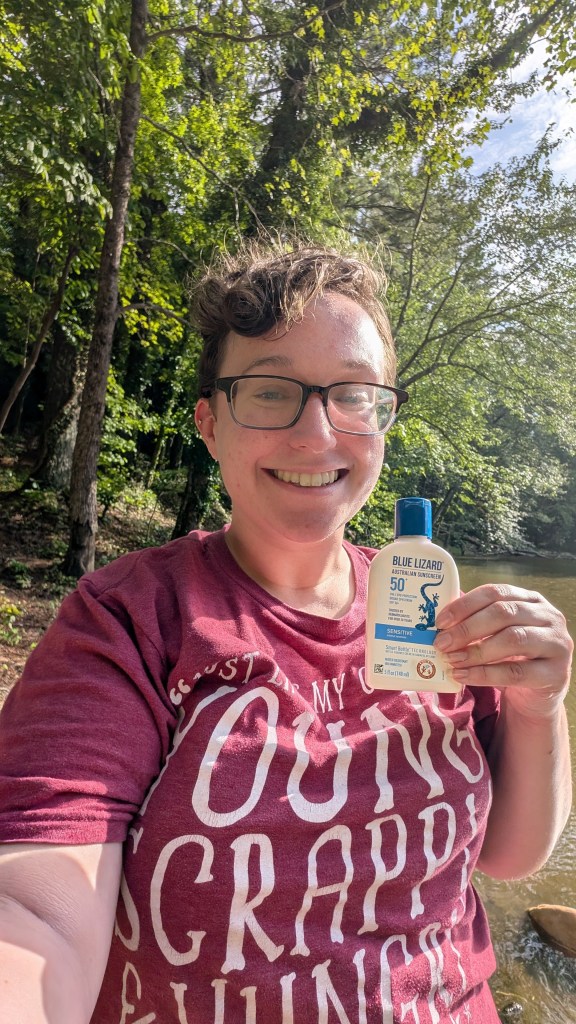
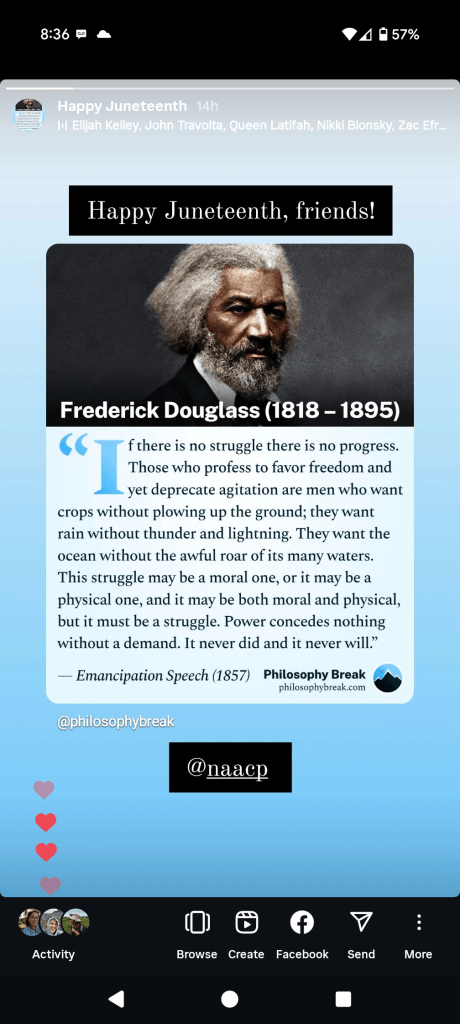
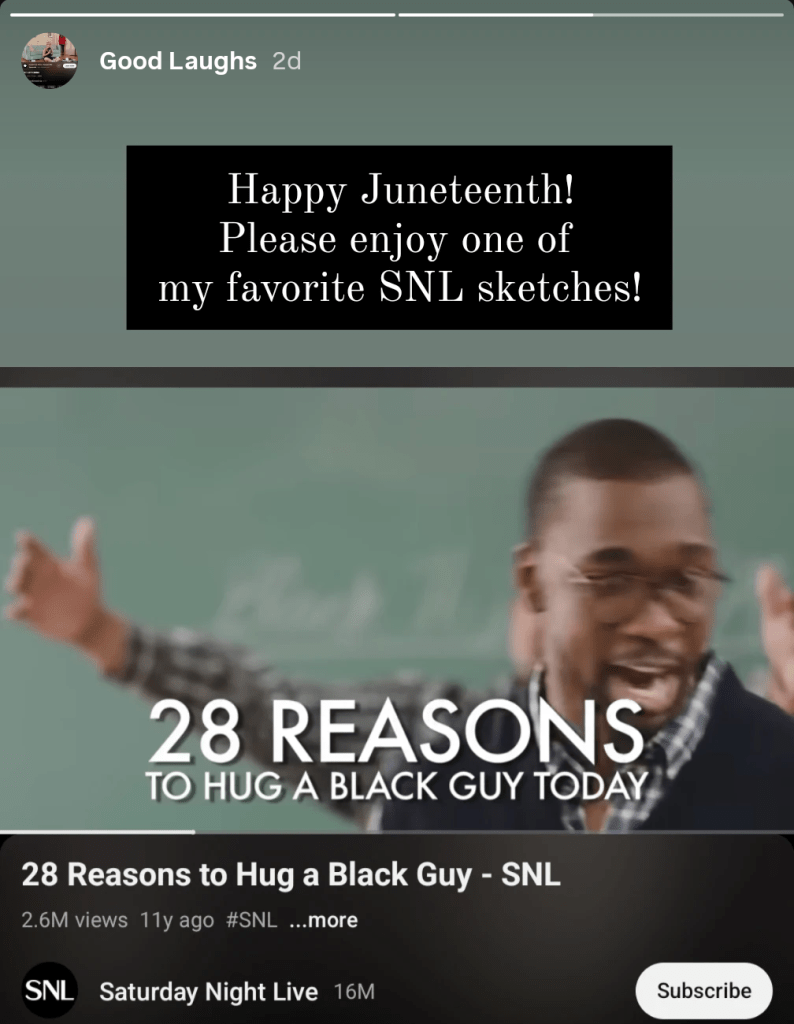
Party Guests
Will: “Is it offensive that they keep calling Othello ‘the Moor’?”
Dr. Rogers: “I don’t know; is it, white boy?” #whiteboy #imjustchiefken
PS Kingsolver’s Demon Copperhead is a retelling of the Dickens novel David Copperfield and one of the best newish books I read last year; it’s the perfect answer to Hillbilly Elegy.
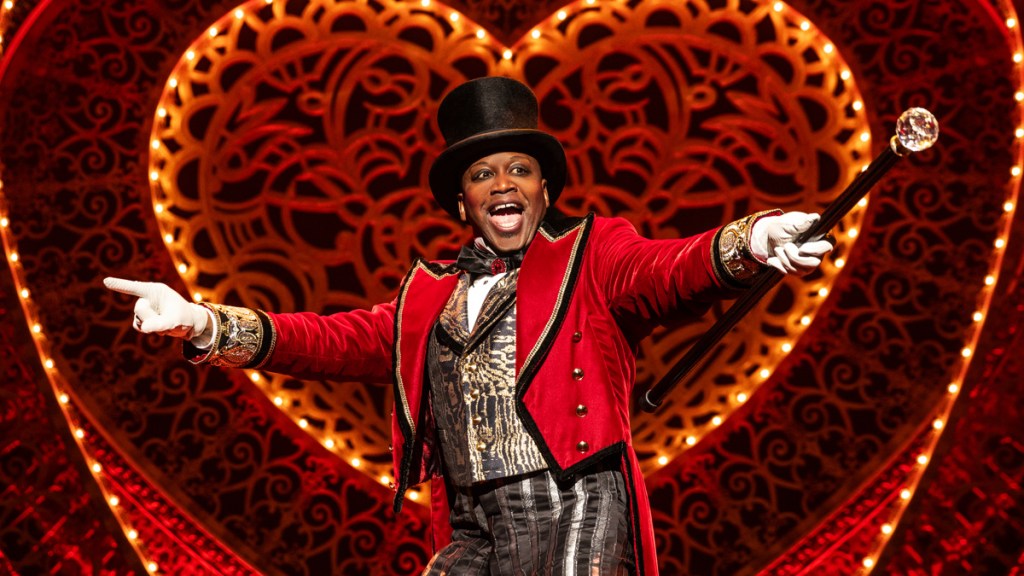
Presiding deities
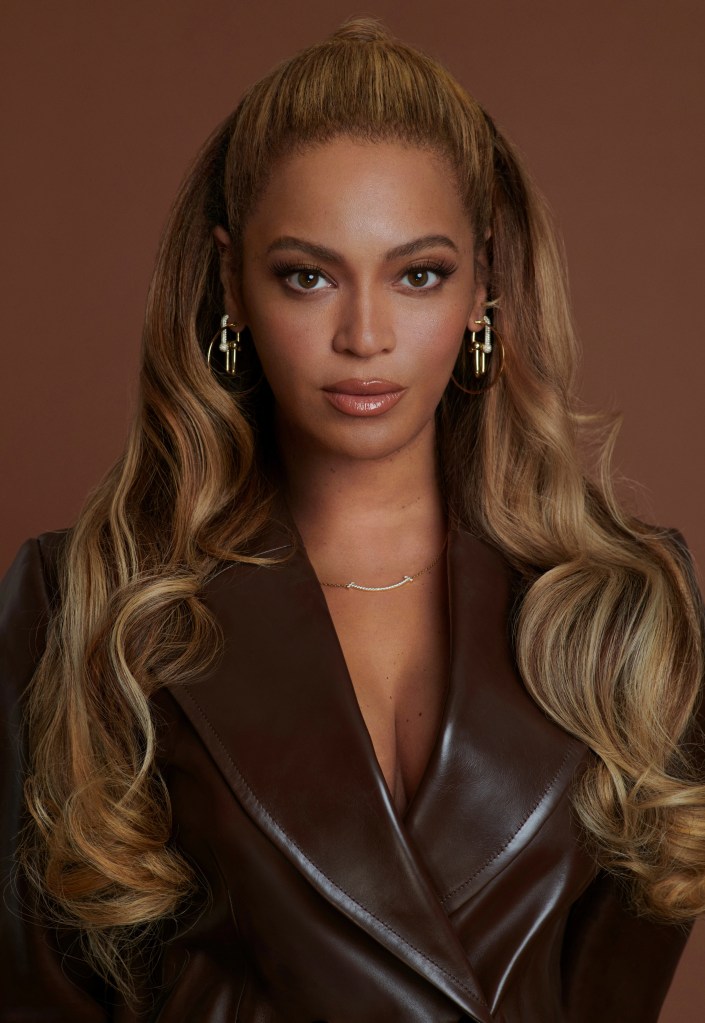
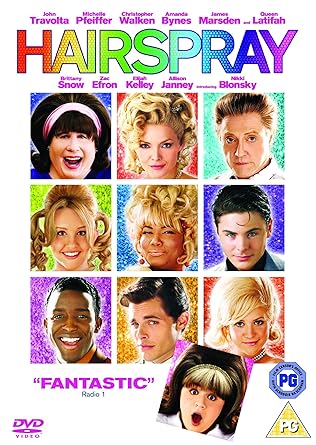
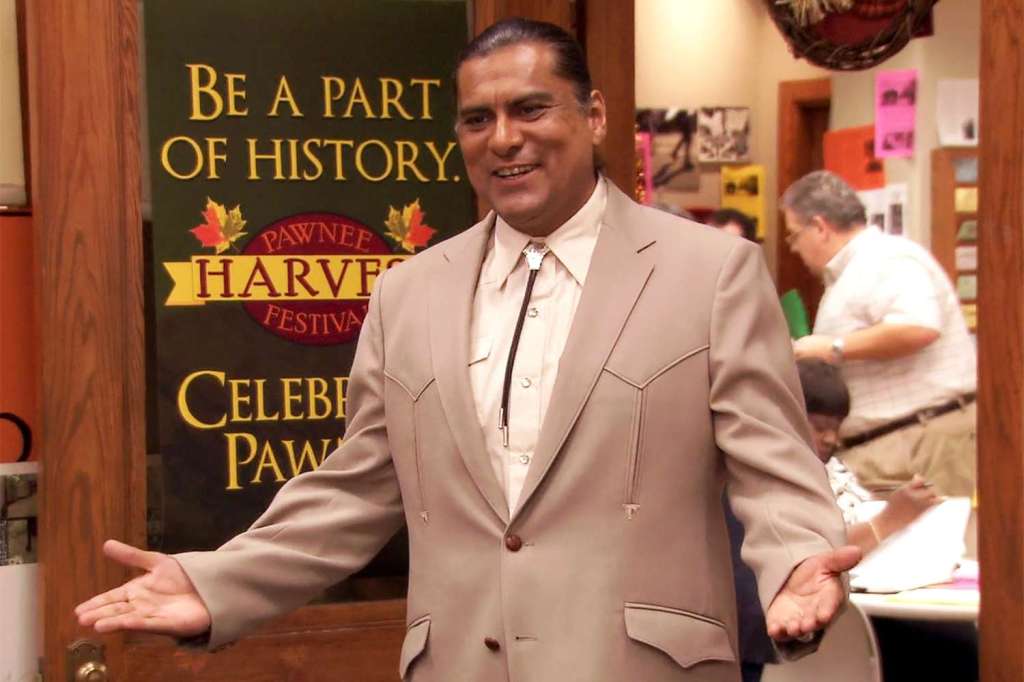
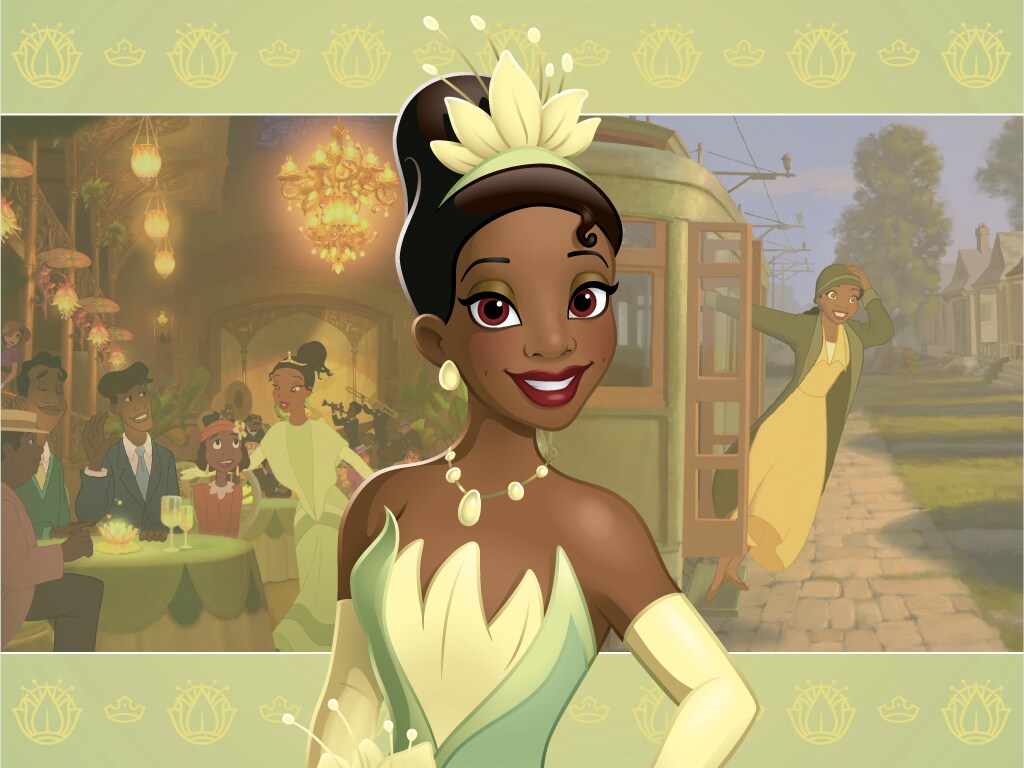

Essay Alert!
This party is the inspiration for my paper-in-progress “The Master of Allusion & Her Tangled Web: Citation/Tagging as Inclusive Gratitude,” submitted to the ALSCW panel “Allusion as Exclusion and Inclusion: Only Connect?“
Abstract:
Allusions sound intimidating, but it’s an illusion. The problem for students and lay readers is that we send them to hunt for references to texts like the Bible or Greek myths that, for better or worse, they aren’t familiar with in the way (educated, white, male) readers were in earlier centuries. My solution: we can help them make connections through annotations, citations, and tags, telling them where to look. T.S. Eliot modeled this practice with his notes accompanying The Waste Land, a masterwork of allusion comprehensible because he gave us the key (and it really is accessible with his notes; I’ve taught it to high school sophomores!). Citing our literary and cultural networks is super easy, barely an inconvenience in the days of the Internet, accomplished with the click of a button, so this is a gift we can afford to give to our students and readers.[1]
This kind of signposting doesn’t only help us get readers where we want them to go. It also allows us to pay homage to the works and artists we love and that have shaped our thinking. Really, allusion is just a fancy name for the associations we constantly make in our thoughts, the trail left behind when one thing reminds us of another. All together, these connections make up what Jung called the collective unconscious, but allusions, when cited, allow us to celebrate the nodes and nexuses most important to the way we see the world. By using allusion to situate ourselves in this tangled web, we also define who we are. Jesus was the master at this, living his life as an allusion to the stories of the Hebrew Bible to show us what God is like and the role He wants to play. Allusion allows us both to thank and connect to the people whose art we admire (it’s why I keep tagging Lin Manuel Miranda in my Instagram photos; I dream of interviewing him about his work/becoming besties) and to signal our own affiliations (always revealing, since we can only allude to what we ourselves read/watch; we are what we eat, metaphorically). A tag is the work of the graffiti artist, who leaves their mark on the wall for all to see and thus permanently inscribes their perspective on the landscape. Through allusion, we create a reciprocal relationship with the art we reference, entering a chat and creating a receipt that changes both our work and theirs for good. Of course, we’ll never cite or catch them all, because pieces of art constantly sound with unexpected resonances, the humanities equivalent to quantum entanglement that binds separate particles together. And that’s the fun of allusions; those of us who have mastered them get to go on Easter egg hunts, and we never know what goodies we might find! To see an example of the kind of allusive tagging I’m talking about, check out the archive of my Juneteenth party on funoverfear.org, the website of the larger project I’m working on. It might help you spot some of the many uncited allusions in this abstract (including in the title); enjoy!
[1] Hot take: the nitpicky citations that our students hate learning and I hate grading are on their way out, now that we can easily add a tag or link online.
 fun over fear