Party #1
Location: Lakeside Pavilion, Sterling on the Lake, Flowery Branch, GA
The Invitation
Instagram Posts
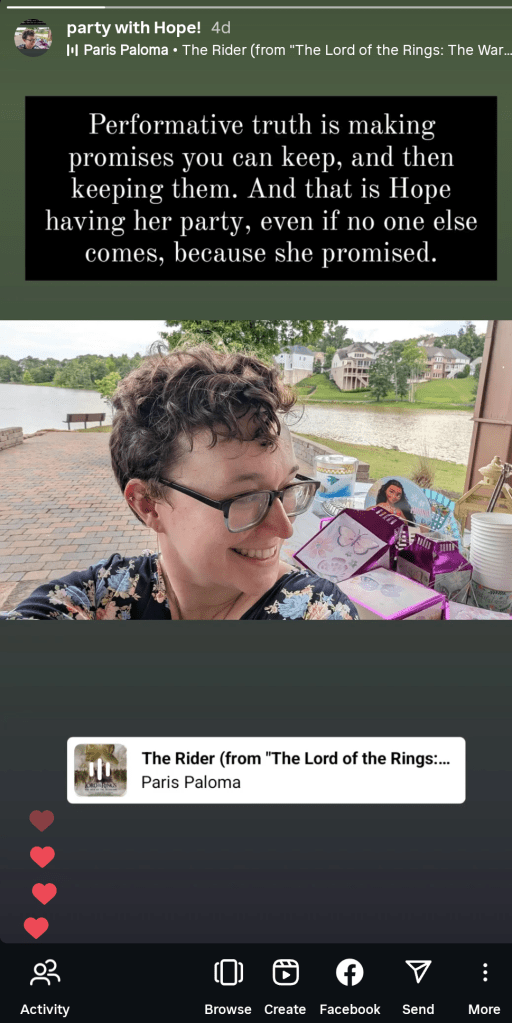
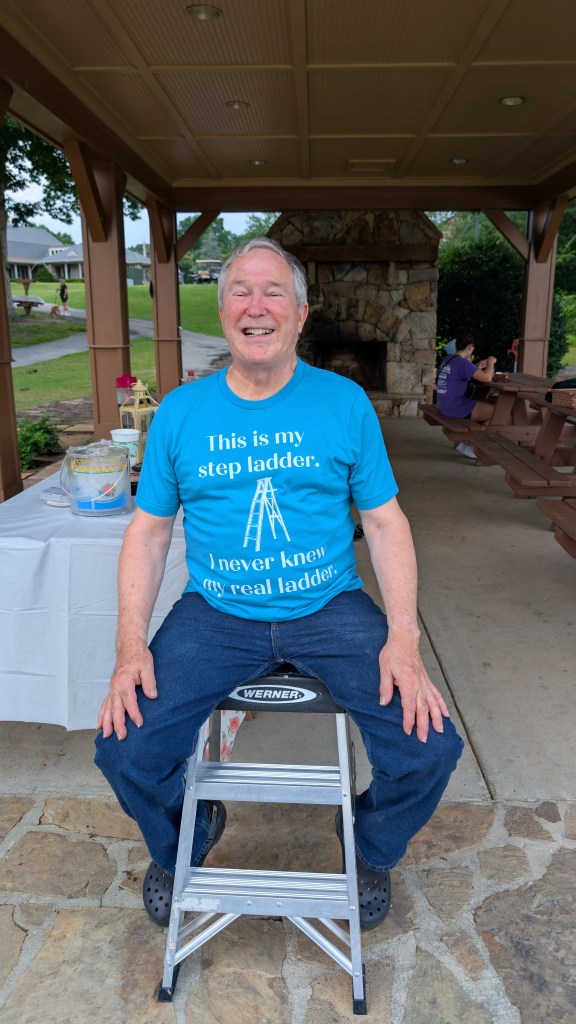
Photo Gallery

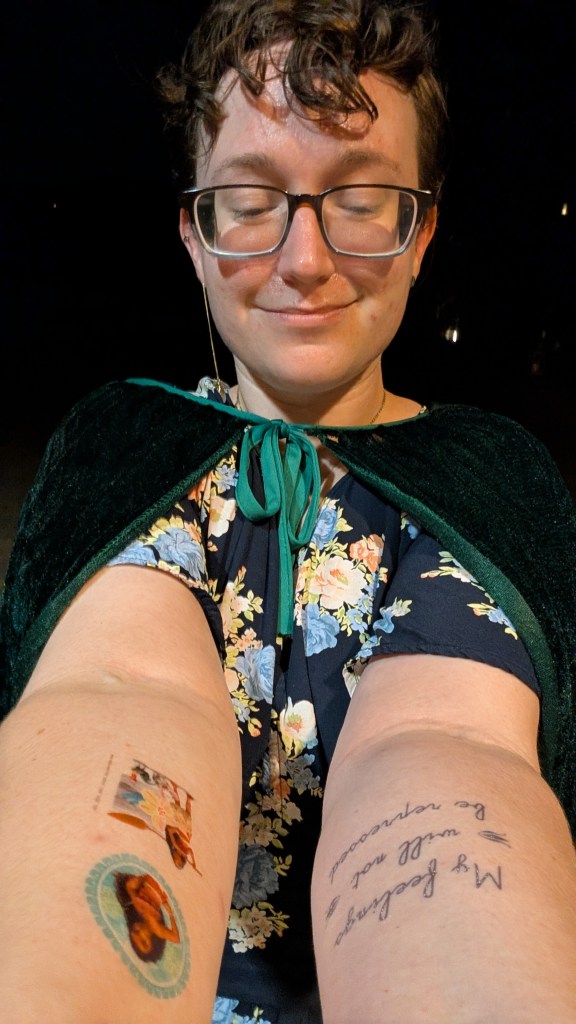

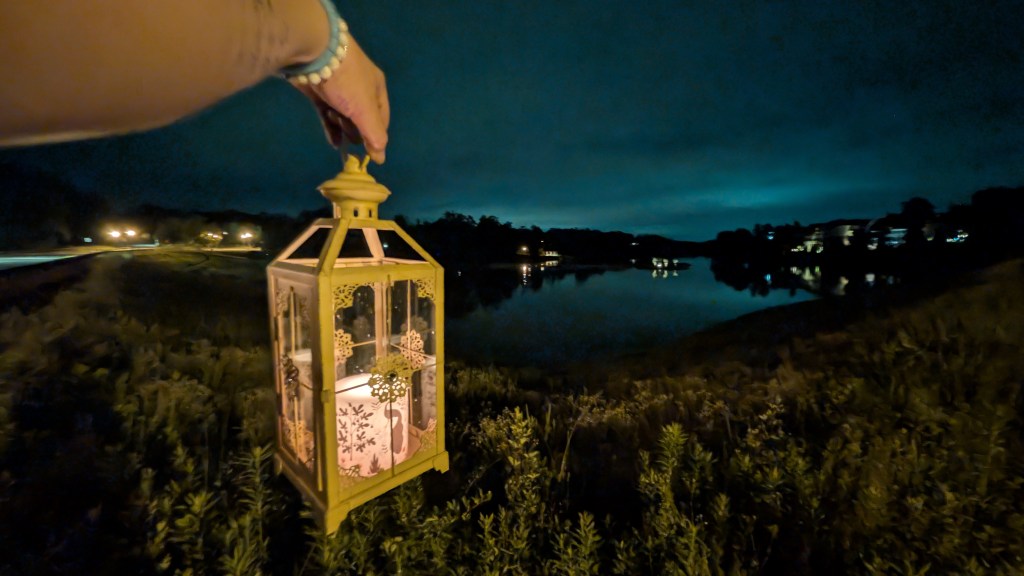

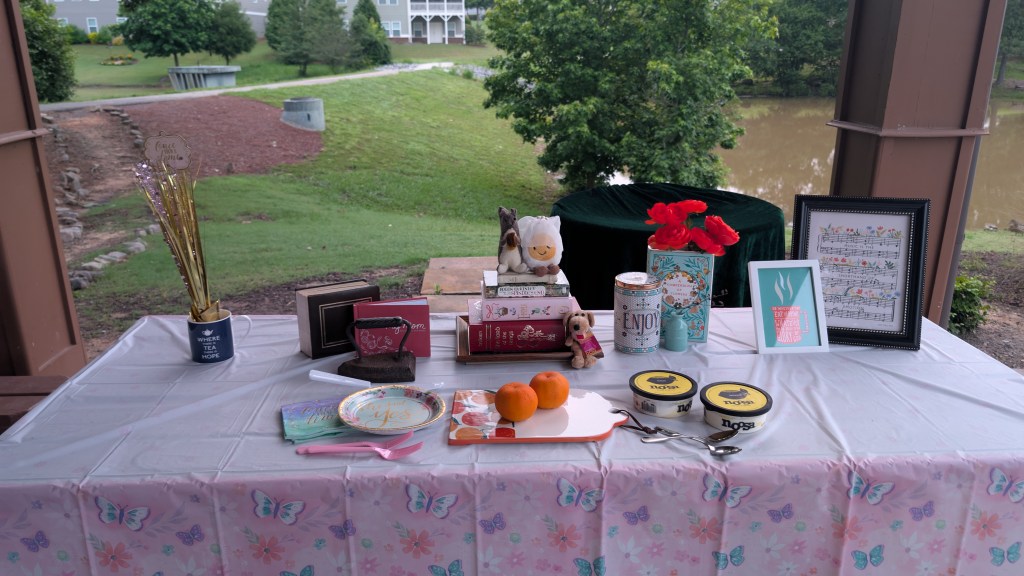
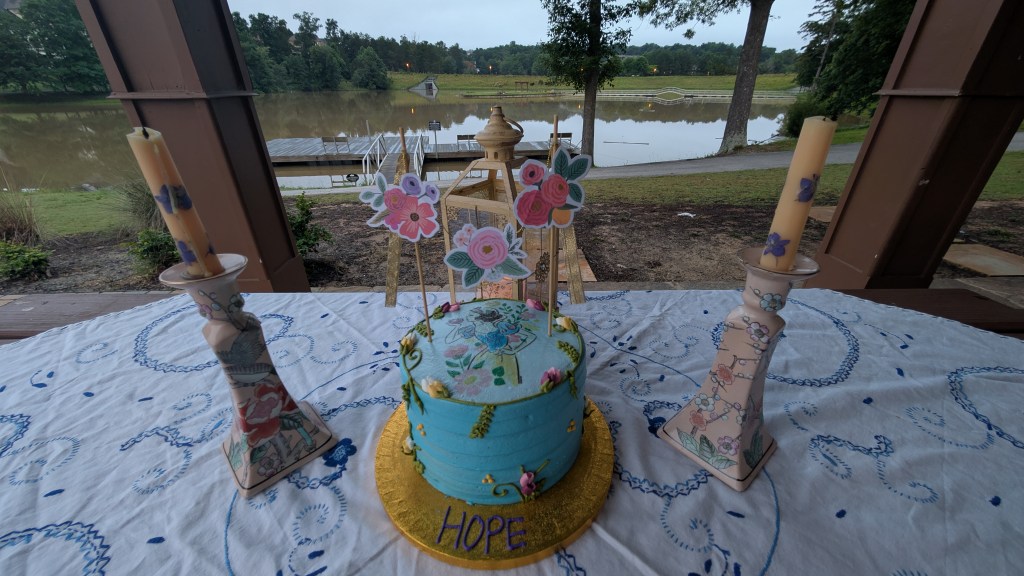
Hope’s Prayer
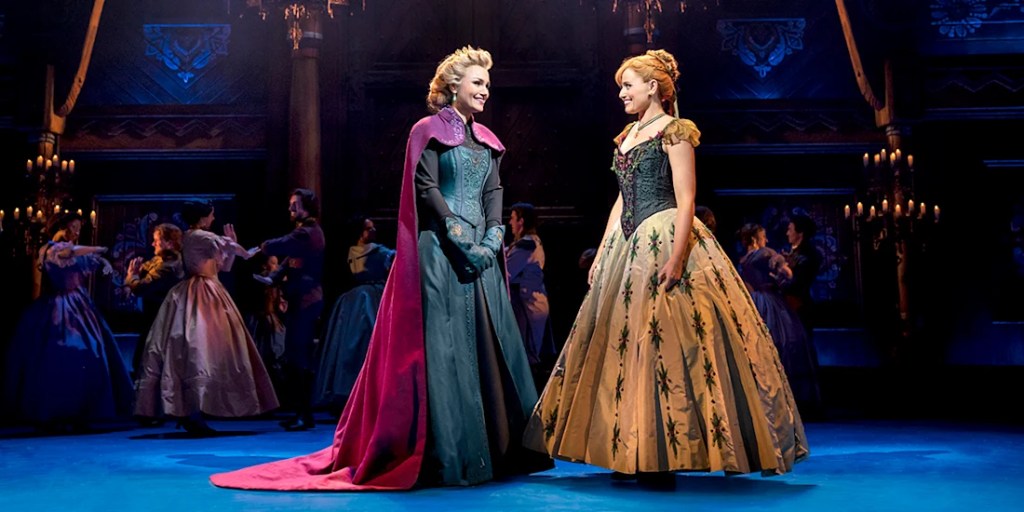
(It’s Hope’s favorite musical, and she saw this show live in the historic Theatre Royal Drury Lane last summer! A very kind and helpful gift shop employee dubbed me “the biggest fan we’ve ever seen” after I decided the merch was an archive and bought it all!)
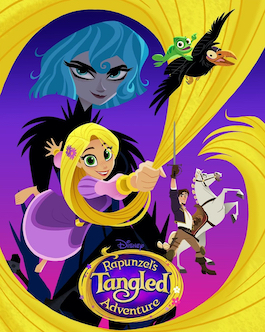
Presiding deities

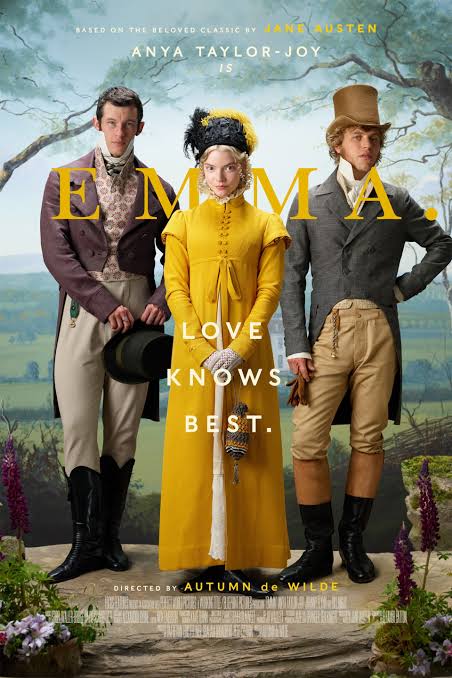

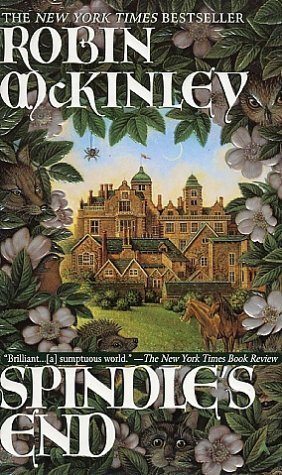
Essay alerts: This party was the inspiration for “In Defense of Partying“!
I’m also working on a conference paper about Robin McKinley’s influence on the Fun over Fear movement; she’s my favorite living author, and I’ve never met a Robin McKinley fan who wasn’t a kindred spirit.
Paper title: “Democracy Happily Ever: Good Spells in the Works of Robin McKinley”
Submitted to the ALSCW 2025 panel “American Literature and Democracy”
Abstract:
I’ve been pondering what I can do to help save our democracy, and I do believe literature offers the answers we need.[1] In my search for imaginative possibilities, I’ve found no richer ground than works of fantasy. It would take a miracle for all this to end happily, or a magic spell, and thanks to my favorite books, I have a few tricks up my sleeve.
Spells are acts of performative truth:[2] you say the words and then make them happen (“He said, ‘Let there be light!’ / ‘Lumos!’ and there was light”). How do we make our words true? We do what we say. If we want light, then we have to be the light. Jesus gives us the template for the Good Spell (Gospel): he kept his promises by incarnationally living them out and then dying for us, giving all he had to make his salvific words true.
The American author who’s taught me most about good spells is Robin McKinley, a contemporary fantasy writer whose heroines do magic called forth by their deep desire to protect the people and places they love and then ritually performed through their embodied, self-sacrificial efforts. Unlike Christ, they don’t know if it will work, but they still try with everything they have, monumental efforts that are rewarded in the eucatastrophes.[3] In Spindle’s End (2000), McKinley’s retelling of Sleeping Beauty, the cursed princess and her friends con the entire kingdom by pretending that the curse is already broken, and she then makes it true by taking on an impossible fight with the evil sorceress rather than succumbing to sleep. In Chalice (2008), the heroine is a beekeeper who saves her beleaguered demesne with her faithful prayer walks and final sacrifice of her beloved bees; she’s a spelling bee champion, but only at great personal cost.
McKinley’s novels have shaped me as a person and a Christian, and she (along with fantasy greats from across the pond like Tolkien and Lewis) has inspired me to try a good spell of my own. I’ve started a movement called Fun over Fear that uses parties as spiritual weapons to fight the fear and division overshadowing our country, and I’ve been practicing what I preach: I’m submitting this abstract late because I spent the weekend celebrating Juneteenth and the Summer Solstice. You can read my epistles “Dear America, Let’s Party!” (inspired by Prince Caspian) and “In Defense of Partying” and see my festive performances at funoverfear.org.
[1] I may be biased as someone who’s dedicated her life to studying English, but I’m certainly earnest about it; I’ve heard that’s what’s important.
[2] Thanks to my friend Dr. Jon Askonas for recommending Pope Benedict XVI’s “Spe salvi” to me with its clear explanation of the performative nature of hope.
[3] Thanks to Tolkien for introducing me to this helpful (and hopeful) term in his essay “On Fairy-Stories.”
 fun over fear